The Iglu Guide | Blog
Your first Australian winter: What international students need to know
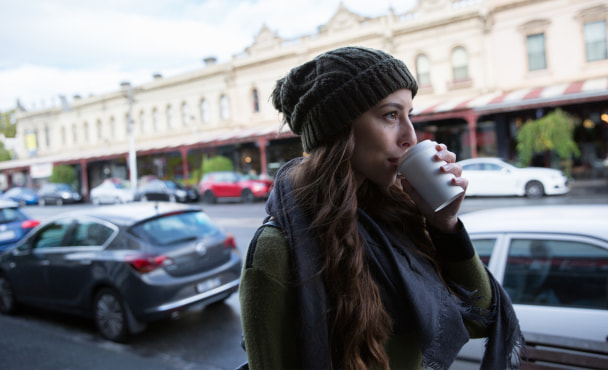
If you’ve moved to Australia from a warmer country, the idea of an “Australian winter” might not sound too intimidating, and honestly, it isn’t. But that doesn’t mean you can ignore it entirely. Depending on which city you’re studying in, winter can feel anything from a mild inconvenience to genuinely chilly. Here’s what you need to know about winter in Sydney, Brisbane, and Melbourne.
How cold does it actually get?
Australia’s winter runs from June to August, and the experience varies a lot depending on where you are.
Sydney
Sitting in the middle of the pack is Sydney where you can expect daytime temperatures between 9–17°C. Crisp and cool, but rarely brutal, you’ll get plenty of sunny winter days, though mornings and evenings can catch you off guard if you’re underprepared. The wind chill near the harbour and coast can make it feel colder than the thermometer suggests, so it’s worth keeping a jacket on hand even on days that look sunny from your window.
Brisbane
The mildest winter of the three, days in Brisbane often reach 20–22°C with clear skies and low humidity, making it feel more like a pleasant spring than a traditional winter. Nights do dip to around 10–12°C though, and Queensland buildings aren’t built with heating in mind, so don’t write off the cold entirely. Students coming from tropical climates are often surprised by how cool Brisbane evenings can feel. It’s mild by Australian standards, but your body will notice.
Melbourne
Melbourne is the one to prepare for. Temperatures hover between 6–14°C, winds can be biting, and the city’s famous “four seasons in one day” reputation is well-earned. Pack for rain, cold mornings, and the occasional sunny afternoon thrown in just to keep you guessing. It’s worth keeping a compact umbrella and a spare layer in your bag every time you leave the house. Melbournians learn this lesson early.
What to pack
The good news for packing: you don’t need a ski wardrobe. The basics will cover you across all three cities.
- A medium-weight jacket or coat
- A few warm knit jumpers or sweaters
- Long trousers and jeans
- Closed-toe shoes or ankle boots
- A scarf and compact umbrella
- Warm socks — more than you think you’ll need
If you’re in Melbourne, add a heavier coat, a beanie, gloves, and a waterproof outer layer. Waterproof boots or shoes are also worth considering if you’ll be commuting on foot. In Brisbane, a single light jacket for evenings will likely be enough most days, though a couple of long-sleeve layers give you flexibility as temperatures fluctuate through the day.
One tip: don’t buy everything before you arrive. Australia’s op shops (second-hand stores like Vinnies and the Salvos) are brilliant for picking up warm clothing cheaply. A quality winter coat for under $15 is genuinely possible, and it’s a great way to kit yourself out without blowing your budget in the first week.
Things to do in winter
One of the best things about studying in Australia is that winter doesn’t shut the cities down. There’s plenty to do, both indoors and out.
Sydney
Vivid in June is one of the country’s biggest free events, with spectacular light installations across the CBD and harbour foreshore. It’s also peak whale watching season along the coast, and the Bondi to Coogee coastal walk is particularly beautiful in winter light with far fewer crowds than the summer months.
Brisbane
Brisbane really shines in the cooler months. The weather makes it ideal for long brunches at outdoor cafés, leisurely afternoons exploring South Bank, and day trips to the nearby hinterland. Mt Tamborine and the Glass House Mountains are popular with students for easy weekend hiking, and the clear winter skies make for stunning views.
Melbourne
Its reputation as Australia’s cultural capital really comes to life when winter arrives in Melbourne. The Queen Victoria Market Winter Night Market runs on Wednesday evenings through June to August, offering hot food, live music, and a great atmosphere for meeting people. When the weather turns grey (and it will), the city’s world-class galleries, cosy laneways, and café scene make it very easy to have a full, enjoyable weekend without venturing too far from the CBD.
Frequently asked questions
Not at all. If you’re studying in Brisbane or Sydney, a few key pieces (a jacket, some jumpers, and a pair of closed-toe shoes) will get you through the season comfortably. Melbourne requires a bit more investment, particularly a good coat and waterproof layer. Thrift stores are a fantastic and affordable way to fill any gaps in your wardrobe without spending a lot. Most students find they spend far less than expected getting winter-ready.
It really depends on your priorities. If you want the most comfortable weather and maximum time spent outdoors, Brisbane is hard to beat. If you’re after a packed events calendar and that classic Australian city experience, Sydney delivers particularly well in June with Vivid. And if you love food, culture, and a city that genuinely comes alive in winter, Melbourne is in a league of its own. The good news is that all three cities have plenty to offer, there’s no bad option.
Arriving in June or July means you’re landing straight into winter, so don’t leave the basics until later. Before your first night, make sure you have a warm doona or blankets, at least one jumper or jacket accessible in your carry-on (not packed away in checked luggage), and that you know whether your room has heating. Many student accommodation providers offer a welcome pack or have a front desk who can help. Don’t hesitate to ask on arrival.
Absolutely. Winter is actually one of the best times to explore the country. While the southern cities cool down, Australia’s tropical north is at its finest during the dry season (June–August). Destinations like Cairns, the Great Barrier Reef, Darwin, and Uluru are far more comfortable to visit in winter than in the sweltering summer months. Many international students use the mid-year university break to tick off a big Australian travel experience, so it’s worth planning ahead as popular spots and budget flights book up quickly.
Most people find they acclimatise within a few weeks, though the first cold snap can feel more jarring than expected, even in Brisbane. In the meantime, layering up is your best friend. Wearing multiple thinner layers traps heat more effectively than one thick item, and it gives you the flexibility to adjust as temperatures shift throughout the day. Be patient with yourself. What feels freezing in week one will feel completely manageable by week four.