The Iglu Guide | Blog
Red flags to watch for when inspecting student accommodation
Choosing the right student accommodation can shape your university experience in ways you might not expect. And whilst it might feel like there are plenty of great options on the table, there’s actually a huge difference between student-designed accommodation, and properties that are simply marketed towards the student community. The trick is to look beyond those first impressions, and think about whether the accommodation will truly support your lifestyle, wellbeing and study ambition for the duration of your stay. If you’re on the hunt for somewhere to live, here’s some classic warning signs that every student needs to recognise.
1. Reality vs advert
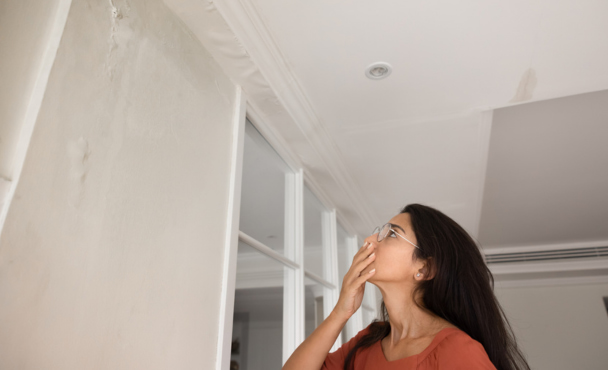
The building may have looked great in the photos – but when you arrive to inspect, reality bites. All too often, student buildings are run down and poorly maintained, which does not make for a pleasant living environment. This is a more common problem amongst private rentals, where landlord behaviour is less regulated and students lack any leverage to complain after move-in date.
Why does it matter?
Small maintenance issues often indicate larger management problems. If the building looks poor quality for inspection day, getting repairs attended to could be even more difficult as you progress through your lease.
2. Unsafe surroundings
Feeling safe in your own home is essential. Many students prefer secure entry, onsite staff and bedrooms with locks. If you find broken gates on inspection, dark hallways and poorly lit streets – or just have a general feeling of unease, these are all important red flags that shouldn’t be ignored.
Why does it matter?
Safety is a non-negotiable for students living away from home – particularly international students adjusting to a new city. Consider what might happen if you need help after-hours, or lose your key. If these questions aren’t easily answered, there’s a problem.
3. Poor design
It may well be marketed as student accommodation, but is it truly designed for a student lifestyle? Watch out for tiny bedrooms with small desks, little storage, patchy wi-fi connection and no quiet spaces. Check out all the facilities in person, and see if the kitchen can truly function as a shared space – or whether the reality is overcrowding, limited fridge space and poor design.
Why does it matter?
Having a comfortable home can heavily influence how well you settle into university life. Iglu buildings are designed specifically to meet the needs of students, with multiple study zones, shared social spaces and highly maintained communal facilities that truly bring the student community together.
4. Long commutes
The rent might feel more attractive, but be very wary of student accommodation that is located too far away from university life. Not only does this mean an unmanageable commute for the longer term, it can be an expensive trade off, with transport also more limited in the evenings and weekends. Plan your journey and consider any connections, as well as traffic levels as these factors can all impact your journey.
Why does it matter?
Long daily commutes affect more than convenience, they impact your sleep, social life and study time. Purpose-built student accommodation buildings are always located near major universities and transport hubs to reduce travel stress and maximise convenience.
5. Cheap rent, hidden costs
Watch out for those sneaky extras that don’t get a mention such as utility bills, internet charges, cleaning fees, and rooms that need furnishing and then unfurnishing. These red flags tend to be more of a problem with private rentals, and that can also include complicated bond arrangements. Always clarify any inclusions, and what your exact exit costs will be before signing any paperwork.
Why does it matter?
Winning on the rent can quickly become a double-edged sword once you’ve factored in travel costs, bills, furniture needs and set-up costs. Then there’s the hassle of making sure all your housemates pay up on time, and the pressure of having your name on the lease if you ever want to move out. On top of your study schedule, it’s a lot to think about.
6. No sense of community
On inspection day, check for any communal spaces, student support services and staff engagement. Find out how well international students are supported, and look for a full schedule of student activities.
Why does it matter?
Feeling part of a community is an important part of belonging. Student accommodation is so much more than a place to rest your head – it’s where you will meet new friends, gain confidence and find independence. You won’t always want to interact with your peers, but it’s important to know they are nearby when needed.
Frequently asked questions
Look beyond the photos. Check that bedrooms have adequate desk space and storage, that Wi-Fi is reliable, that shared kitchens aren’t overcrowded, and that there are dedicated quiet study zones and social spaces on-site.
Secure entry points, well-lit hallways and surrounding streets, bedroom locks, and onsite staff are all important. Ask yourself what would happen if you needed help after hours or lost your key. If there’s no clear answer, that’s a red flag.
Not necessarily. Always ask what’s included. Utility bills, internet, cleaning fees, furnishing costs, and bond arrangements can add up quickly and wipe out any savings on rent, especially once you factor in transport costs if the location is far from campus.
Very important. A long commute affects your sleep, study time, and social life – not just your morning schedule. Check transport options in the evenings and on weekends too, as these are often more limited.
On inspection day, look for communal spaces, ask about organised student activities, and find out how international students are supported. A good community isn’t just about socialising – it’s about having people around when you need them.
Small issues like broken fixtures or poorly kept common areas often signal bigger management problems. If the building looks run-down on inspection day, getting repairs dealt with during your tenancy is likely to be even harder.