The Iglu Guide | Blog
5 tips for first year students choosing accommodation
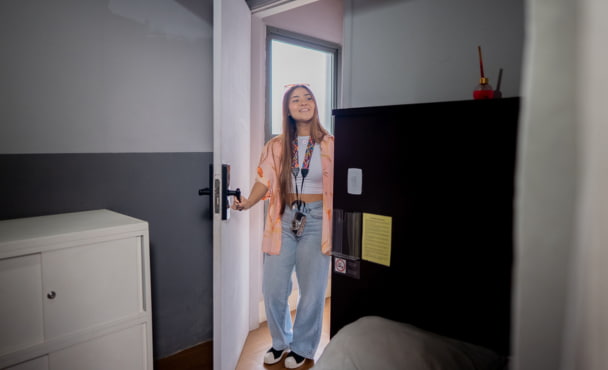
Moving away for uni is one of life’s big milestones. It’s exciting, a little nerve-racking and full of firsts: your first place, your first grocery budget, maybe even your first time in a new country. Returning students often know exactly what works for them and what to avoid, but when you’re starting fresh, finding the right home can feel like a puzzle. These five tips will help you choose accommodation that makes the move to independence feel easy.
1. How independent do you want to be?
Moving out of home comes with a set of tasks and responsibilities that not everyone is wholly ready for. Consider how you feel about:
- Shopping, cooking and planning meals
- Cleaning and maintaining your space
- Managing money, bills and household expenses
- Organising your schedule and daily routine
- Dealing with unexpected problems independently
Some students will have no trouble taking this on while others may prefer more structure and support, because living independently doesn’t mean doing everything alone. Purpose-built student accommodation (PBSA) offers on-site staff and services, giving you plenty of freedom with practical support close by.
Tip: Be honest about which tasks feel daunting, and look for accommodation that helps with those.
2. Choose accommodation that simplifies the bills
Many students have never before managed a household budget, so it’s tempting to compare accommodation on weekly rent alone. Rent is only part of the picture. It’s important to make like-for-like comparisons by adding in all additional considerations including:
- Utility bills such as electricity, gas and water
- Wi-Fi
- Furniture, appliances and household essentials
- Upfront costs such as bond
Then budget for the costs you’ll have wherever you live, like groceries, transport and everyday spending. There are plenty of ways to stretch your budget with student discounts to help here too.
Predictable costs are very helpful for first-time renters, and so having one easy all-inclusive bill to manage every month can simplify the budgeting, remove pressure and free up time to focus on settling in and making the most of uni life. At Iglu, for example, rent covers bills and Wi-Fi, along with free weekday breakfast, a 24/7 gym and free events.
Tip: Always ask exactly what’s included before you sign, rather than assuming.
3. Feel safe, supported and connected
Feeling safe is a top priority when you’re moving somewhere new, and it brings peace of mind to family back home too. Unfamiliar neighbourhoods, transport systems and rental arrangements can take some getting used to, especially for international students. Living in student accommodation with dedicated support is a very different experience from renting privately. Look for:
- Secure building access and CCTV
- 24/7 support from on-site staff
- Repairs and maintenance support
- Community spaces
- An on-site residential student community
These give you an extra layer of support without taking away your independence, and a ready-made community makes it much easier to meet people from day one.
Tip: Ask who you can contact if something goes wrong after hours, and how quickly maintenance requests are handled.
4. Live close to the action
When everything else is new, convenience matters more than ever. Even simple tasks take a little longer in an unfamiliar city, so check how close you’d be to campus, the library, a supermarket, medical services and places to socialise. Good public transport access makes a big difference too, and getting to know Sydney’s public transport network or commute times around Melbourne early on will help you find your feet faster.
The closer you are to everything you need, the sooner a new city starts to feel like home. All Iglu properties are located close to universities and public transport, so getting to class and exploring your new city is easy.
Tip: Map your commute to campus at the time your classes start, not just on a quiet weekend.
5. Compare before you commit
Take your time and weigh up your options before deciding. Each type of accommodation suits different students:
- PBSA: furnished rooms, all-inclusive bills, on-site support and a built-in student community
- Private rentals: more control over where and how you live, but you’ll manage leases, bills, furniture and housemates yourself
- On-campus accommodation: close to classes, though availability can be limited and options vary between universities
Who you live with matters as much as where. A share apartment is a great way to make friends and learn the art of sharing a kitchen with housemates, while a private studio gives you more privacy and personal space. Think about how you’d feel about shared areas, and whether you’d like a student community to come home to at the end of the day. Starting your search early also gives you more choice, so it’s worth knowing the best time to book student accommodation.
Tip: Take a tour in person or online so you can picture yourself living there.
Your checklist to success
- What’s included in the rent?
- Is it close to campus and public transport?
- Are the room and facilities suitable for studying?
- What are the lease terms, bond requirements and cancellation conditions?
- Will I feel safe and secure?
- Is the accommodation right for my lifestyle and budget?
Your first student home is where uni life really begins. Choose a place that feels safe, keeps life simple and puts you close to everything, and you’ll be free to focus on the best part: new friends, new experiences and making the most of your studies.
Frequently asked questions
Look for a place that’s close to campus and public transport, has clear all-inclusive costs and offers on-site support. It also helps to check the study facilities, the lease conditions and whether there’s a student community to connect with.
For many first-year students, yes. Purpose-built student accommodation comes furnished with bills included and on-site staff, which removes much of the stress of renting for the first time. Private rentals offer more control but come with more responsibilities, such as managing utilities and housemates.
It varies between providers, but many include bills, Wi-Fi and furniture in one weekly price. Some also offer extras such as a gym, study spaces and social events, so always confirm exactly what’s covered before booking.
Purpose-built student accommodation is designed with safety in mind, with features such as secure building access, CCTV and on-site staff. Having support close by can make settling into a new country easier for students and their families.
It depends on your lifestyle. A shared apartment is ideal if you want to make friends and enjoy a social environment, while a studio suits students who value privacy and their own space.