The Iglu Guide | Blog
Furnished vs unfurnished student accommodation: Which is the most cost-effective option?
Finding the right student accommodation in Australia is a difficult decision – not to mention a tricky process – that can impact your lifestyle as well as your budget. As well as identifying what accommodation might suit you best in terms of preferences, it’s also important to understand what you can actually afford – and how that might impact your overall situation. When it comes to furnished vs unfurnished options, here’s everything you need to know to make an informed and budget-friendly choice.
Furnished vs unfurnished – what’s the difference?
Furnished student accommodation usually includes everything a student might need to move straight in, such as a bed, desk, chair, wardrobe, and basic kitchen appliances. Some types of purpose-built student accommodation providers such as Iglu go even further than this, with options such as unlimited wi-fi, onsite laundry, gym access and study and recreation areas. These are all included in your rent.
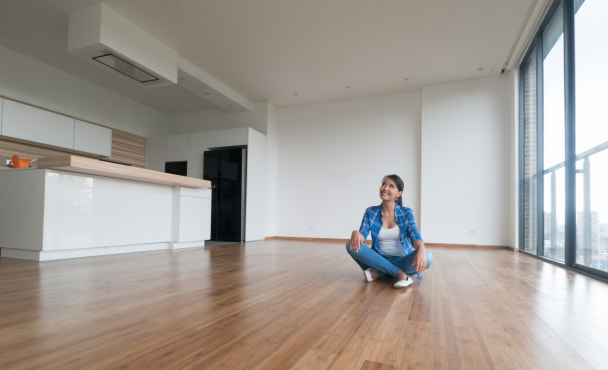
Unfurnished student accommodation is essentially a blank canvas as it usually comes with very little at all. This means students have to buy or rent fairly big items of furniture to get up and running.
Cost comparison
Furnished accommodation
The pros: With no upfront furniture costs and multiple inclusions, students can definitely pack light when heading off to study in Australia. Utilities such as electricity, wi-fi, water and gas are often included with one predictable bill – a useful benefit which helps you stay well on top of your budget. This is perfect for students spending a limited time in the country as it avoids any furniture purchasing or resale. That’s less stress spent on arranging deliveries, setting up leases and managing deposits which all have hidden associated costs. Additionally, all maintenance and repairs are handled by the provider.
The cons: Furnished student accommodation tends to be priced more expensively than unfurnished accommodation, which means it may fall outside of your budget constraints. Additionally, it’s not usually possible to change any of the furniture provided if you wanted to downgrade items and save money. You may also find that you pay more rent to account for extra inclusions you won’t necessarily use – such as a gym or social area.
Unfurnished accommodation
The pros: There is typically a lower weekly rent for unfurnished student accommodation. If you plan on staying there longer than one year, this helps with long-term savings when purchasing furniture. You also have the flexibility to buy or rent second hand furniture, which gives you more agency over how you live, and what that looks like.
The cons: As well as the financial responsibility of being a named tenant – which can be problematic if another student moves out mid-lease – furnishing accommodation requires higher upfront costs. Buying furniture also means paying for delivery. And whilst you may be able to split some costs with the other tenants, it doesn’t account for the cost to your time, and the emotional stress in terms of organisation and execution. Paying separately for utilities also increases the burden on your monthly budget, and any breakages or furniture repairs will be the household’s collective responsibility. If the fridge breaks, that’s an extra cost that wasn’t in the budget. You are also likely to want to make it feel more like home, and decorate with other household items – adding more to the financial burden. At the end of the lease, you will need to sell or dispose of any furniture purchased, and account for the organisation and transportation. You may end up giving away furniture and ultimately losing out.
When unfurnished accommodation can be more cost-effective
- For students needing a long-term lease over 2-3 years
- If you enjoy setting up home
- When you have the time and transport to seek out cheap furniture options, and are happy to re-sell
When furnished accommodation is the most cost-effective option
- For international students keen to hit the ground running: walk-in, unpack, relax
- Students staying less than 2 years
- Students preferring inclusions to help with predictable budgeting
- Students without the time and transport to buy/sell furniture