The Iglu Guide | Blog
Laundry tips for students: How to wash clothes in shared living
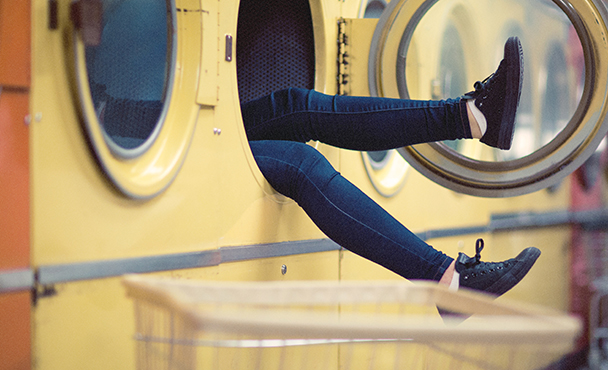
Does the thought of managing your own dirty laundry send you into a complete spin? Are you quietly terrified of that moment when the last pair of lonely undies is sitting in the drawer? Do the weird symbols on the washing machine look like they need Google Translate? Don’t panic. This student laundry guide has you covered.
Living away from home for the first time comes with a steep but manageable learning curve. If you’re new to student accommodation and using shared laundry facilities for the first time, here’s everything you need to know to keep your clothes clean, your housemates happy, and your wardrobe in one piece.
1. Is it actually dirty?
It might sound like a silly question, but when it comes to your growing laundry pile, it’s worth asking whether you actually need to wash everything after every wear. Some items are a definite yes – socks, underwear and gym clothes should be washed after each use. But jeans, hoodies, sweatshirts and layering tops generally don’t need washing every time.
Be guided by your senses. If it looks fine and smells fine, you can pop it back in the drawer. If it fails either of those tests, its laundry fate is sealed. This approach will save you time, water, electricity, and extend the life of your clothes.
2. Sort and separate
In an ideal world, your washing is sorted into neat piles of whites, colours and delicates. In reality, you’re probably just hunting for matching socks. Here’s a simple guide:
- Whites: wash separately, especially anything new
- Darks and colours: safe to wash together once they’ve been washed a few times (the risk of dye transfer drops significantly after the first couple of washes)
- Delicates: anything with a label warning (lace, silk, wool, embellished items) – hand wash or use a gentle machine cycle in a mesh laundry bag
- New dark items: wash alone the first time; some fabrics still release dye in the first wash
What NOT to wash together
- New reds or dark blues with anything light-coloured
- Wool jumpers with regular clothes (they need a cold, gentle cycle)
- Anything heavily soiled with a normal mixed load
- Towels with delicates (the lint transfer is real)
If you don’t have quite enough in each load to separate properly, check the items are reasonably well-worn and mix cautiously. But anything you’re emotionally attached to? Hand wash it — it’s not worth the risk.
3. Washing powder, liquid or pods – what’s the difference?
If you’re asking this question, you’re not alone. It’s one of the most searched laundry questions, and the answer is more than “doesn’t really matter”:
- Powder detergent: best for heavily soiled clothes and white loads. Works well at higher temperatures. More economical per wash, but can leave residue if overdosed.
- Liquid detergent: better for cold washes (it dissolves more easily), and gentler on colours and delicates. Pre-treat stains by applying liquid directly to the fabric before washing.
- Pods/tablets — the most convenient option and great for shared laundry facilities where you don’t want to lug a big bottle. Pre-dosed, so no measuring required. Slightly pricier per wash but nearly impossible to overdose.
Eco tip: Look for concentrated detergents (smaller bottles, same number of washes) and cold-water formulas. They’re cheaper, better for the environment, and increasingly available at major supermarkets.
Don’t use too much detergent – more is not better. Excess detergent leaves residue on clothes and inside the machine, which leads to that musty smell nobody wants.
4. How hot does my wash need to be?
The standard recommended wash temperature is 30°C or 40°C for most everyday items. Unless your clothes are genuinely heavily soiled, a cold wash (20°C or below) is equally effective for regular loads — modern detergents are formulated to work well in cold water.
Cold washes use significantly less energy, which is better for the planet and better for your electricity bill if you’re in a self-contained apartment. It’s also gentler on fabrics and reduces colour fading over time.
Save the hot wash (60°C+) for:
- Bedding and towels (to kill bacteria and dust mites)
- Heavily soiled or stained items
- Items you’ve been sick with
5. To dry or not to dry?
If you need a fast clothing turnaround, the dryer is the way to go. If you have time and space, air drying is gentler on fabrics and they’ll hold their shape better over time, particularly important for cotton tees and knitwear that can shrink in the dryer.
Dryer tips
- Check the care label. Many items (wool, delicates, athletic wear with elastic) should not go in the dryer.
- Clean the lint filter before every use.
- Don’t overfill. Clothes need room to tumble.
Air drying tips
- Hang clothes as soon as the cycle finishes to avoid creasing
- Reshape knitwear and lay it flat to dry rather than hanging (hanging causes stretching)
- In humid or cold conditions indoors, a fan or dehumidifier helps speed up drying
6. Why do my clothes still smell after washing?
If your clothes come out of the wash smelling less than fresh, one of a few things has gone wrong:
- Left in the machine too long: damp clothes left sitting develop mildew smell fast. Move them to the dryer or line within 30 minutes of the cycle ending.
- Too much detergent: excess detergent traps odours. Use the recommended amount and consider an extra rinse cycle.
- The machine itself is the problem: washing machines can develop mould and mildew over time, especially front loaders. Run an empty hot cycle with white vinegar or a washing machine cleaning tablet monthly.
- Not enough detergent: the other extreme. If you under-dose, particularly on a cold wash, sweat and oils don’t fully lift from fabric.
Bonus tip: White vinegar in place of fabric softener is a great budget-friendly option that softens clothes, reduces static, and keeps the machine clean. About half a cup in the fabric softener compartment per wash.
Laundry etiquette in shared accommodation
If you’re living in student accommodation with shared laundry facilities, being a considerate neighbour goes a long way:
- Don’t leave your washing in the machine. Set a timer on your phone and collect it promptly. Nothing frustrates housemates more than a finished load sitting in the machine for hours.
- Don’t overfill the machine. Overpacking reduces washing effectiveness and puts strain on the appliance everyone shares.
- Clean the lint filter after every dryer use.
- Wipe down the machine if you’ve had a muddy or heavily soiled load.
Photo by Nik MacMillan on Unsplash
Frequently asked questions
It depends on the property and room type. Most student accommodations offer shared laundry facilities on-site. At Iglu, laundry rooms are available across all properties in Sydney, Brisbane and Melbourne.
Most students find that washing once a week works well. It’s frequent enough to stay on top of things without wasting water or detergent. If you’re short on time, doing one larger load per week is more efficient than several small ones, and most student accommodation laundry facilities are available 24/7 so you can go at off-peak times.
Use cold washes wherever possible (they use less energy and work just as well for everyday loads), buy concentrated detergent in bulk, and avoid the dryer when you can (air drying is free). If you’re in student accommodation with payment-operated machines, doing one full load rather than two half-loads will save you money over time.
Not always. Mixing new dark or bright items with whites risks colour transfer, and delicates like wool or silk need a separate gentle cycle. Once your darker clothes have been washed a few times, they’re generally safe to combine with lights. When in doubt, separate by colour and fabric type to protect your clothes.
Look for on-site machines that are well-maintained and accessible at all hours, enough machines relative to the number of residents, and ideally a mix of washers and dryers. At Iglu student accommodation, laundry facilities are available on-site 24/7.