The Iglu Guide | Blog
How to cook quick and easy meals as a student
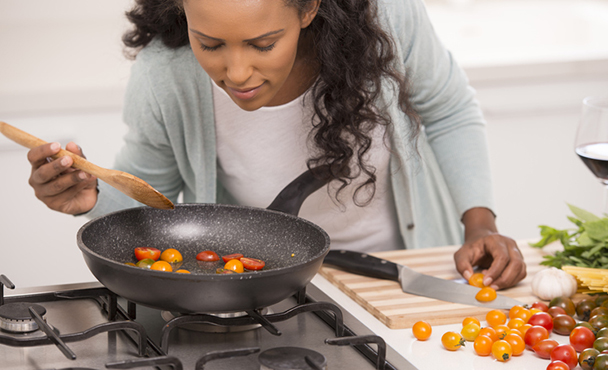
There is so much to take on board when you get to uni, from meeting new people and finding your way around, through to managing your workload and independent living. All these activities absorb a lot of time and energy, and on top of it all, you have got to feed yourself too.
Whether you are always the first one to grab a spatula and command the room, or a complete first-timer in the kitchen, cooking can often feel like a chore. And if your confidence is low, there is a temptation to avoid it altogether. Rest assured, the more time you spend cooking for yourself, the easier it gets, and the quicker you will turn out those tasty dishes. Here are five ways to keep your kitchen cooking.
Gear up
You do not need a drawer full of fancy gadgets to put together a decent meal. The real essentials are a good non-stick frying pan, a basic saucepan, a chopping board, a sharp knife and a few cooking utensils. With just these items you can handle pasta, soups, stir fries, grilled meat and roasted vegetables without breaking a sweat. A reusable container or two is also worth having on hand for storing leftovers and keeping your meal prep organised throughout the week. If you are just getting started, Kmart is a great first stop to grab everything you need without spending much at all.
Stock your pantry
Cooking with confidence starts with having the right ingredients on hand. A well-stocked pantry means you can throw together a decent meal even when you have not had time to plan ahead. Good staples to keep around include pasta, rice, canned tomatoes, cooking oil, garlic, onions, dried herbs and a few spices. These form the base of countless recipes and go a long way toward keeping your grocery bills down. Buying pantry staples in larger quantities when they are on sale is one of the easiest ways to eat well on a budget without much extra effort. As you discover what you enjoy cooking most, you can build out your pantry from there and start experimenting with new flavours and cuisines.
Eat with friends
The motivation to cook just for yourself can wear thin pretty quickly. But eating well genuinely supports your focus and academic performance, so it is worth the effort. A simple fix is to regularly cook with friends or housemates. You can split the cost of ingredients, share the tasks and pick up new recipes along the way. It is also a great way to try dishes from different food cultures, which is one of the more enjoyable parts of living in student accommodation alongside students from all over the world.
Batch cook and freeze
Freezer space is a prized commodity in student living for good reason. Cooking in bulk means you can store meals for the days ahead, saving both time and money. It is one of the most practical ways to eat sustainably by reducing food waste at home. If cooking is not your favourite activity, this approach gets it done in one go and still leaves you with nutritious, home-cooked food ready to heat up whenever you need it. Use freezer bags rather than bulky containers to save space and freeze meals in single portions so nothing goes to waste. Soups, curries, pasta sauces and stews all freeze particularly well and reheat in minutes.
Build your go-to recipe list
Having a short list of reliable recipes you know well makes the whole process far less daunting. Classic student favourites like pasta, soups, omelettes, stir fries and fajitas are quick to prepare, easy on the budget, and flexible enough to work with whatever is in the pantry. Many can be made in a single pan, which also keeps the washing up to a minimum. TikTok and Instagram are genuinely great places to find quick meal inspiration. Save recipes as you scroll and you will have a ready-made collection to work through at your own pace. Once you have a handful of meals you can cook with confidence, the kitchen stops feeling like a chore and starts feeling like one of the better parts of your day.
Frequently asked questions
The basics cover most situations: a non-stick frying pan, a saucepan, a chopping board, a sharp knife and a few cooking utensils. Adding a reusable container or two for leftovers rounds out a functional student kitchen setup. You do not need much more than this to cook a wide variety of everyday meals.
A good student pantry includes pasta, rice, canned tomatoes, cooking oil, garlic, onions, dried herbs and a selection of spices. These staples form the foundation of many quick and affordable meals and mean you can always put something together even without a planned shop. Buying these items in bulk when on sale helps stretch a student budget further.
Pasta dishes, soups, stir fries, omelettes and fajitas are among the most popular choices for students because they are quick to prepare, require minimal equipment and work with a variety of ingredients. Many of these meals can be made in a single pan, which also makes the clean-up much easier.
Batch cooking and freezing meals is one of the most effective ways for students to reduce food costs. Cooking larger portions of soups, curries or pasta sauces and freezing them in single servings means less spending on takeaway on busy days. Keeping a stocked pantry and planning meals around what is already on hand also helps avoid unnecessary grocery spending.
Most purpose-built student accommodation, including Iglu properties in Sydney, Melbourne and Brisbane, comes with a fully equipped kitchen, either in your room or in a shared space, making it easy to cook your own meals. Having access to a kitchen from day one means you can start building good cooking habits as soon as you arrive.