The Iglu Guide | Blog
How living in shared accommodation builds confidence and social skills
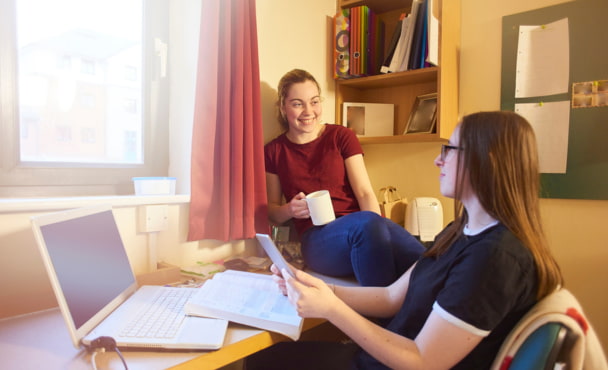
Moving into shared accommodation is a big step — especially if it’s your first time living away from home. Suddenly you’re sharing a kitchen, a fridge and probably a few awkward first conversations with people you’ve only just met. It can feel daunting at first, but for many students, shared living ends up being one of the most confidence-building parts of uni life.
Here are some of the ways living in shared accommodation can help students build confidence, improve communication and develop lifelong social skills.
Communication and compromise
Shared accommodation quickly teaches you that everyone lives a little differently. Someone’s an early riser, someone cooks at midnight, and someone always forgets it’s their turn on the cleaning roster. The mix of flatmate personalities you’ll come across is all part of the experience — and it creates plenty of opportunities to build skills you may never have needed before.
Figuring out how to manage shared spaces — from keeping the kitchen usable to agreeing on chores — helps students learn how to communicate clearly and compromise. These conversations don’t need to be dramatic, but they are important, and they tend to get easier the more you have them.
Confidence and self-advocacy
Confidence doesn’t suddenly appear overnight. It’s built through small, repeated interactions — chatting while cooking dinner, asking if anyone’s keen for a late-night snack run, or organising plans for the weekend. These everyday moments help social interaction feel more natural and less intimidating over time.
For students who are naturally shy or still finding their feet, shared accommodation offers low-pressure opportunities to practise initiating conversations, expressing opinions and speaking up in a familiar environment. As confidence grows at home, it often carries into classrooms and group settings, making it easier to share ideas, contribute to discussions and collaborate with others — valuable skills that support both academic success and future careers long after university.
Conflict resolution
Let’s be honest — shared living comes with its fair share of awkward moments. Maybe someone isn’t pulling their weight, noise levels get out of hand, or there’s tension over shared groceries or fridge space. While these situations can be frustrating, they also create opportunities to learn how to handle discomfort in a practical, constructive way.
Avoiding tense situations doesn’t work in the long run, so living with others often pushes you to address issues directly and with a delicate level of tact. Learning how to raise concerns calmly, listen to different perspectives, and negotiate compromises helps develop strong conflict resolution skills. The result is greater confidence, emotional maturity, and stronger relationships — making shared living not just easier, but far more rewarding for everyone.
Social and cultural awareness
One of the best things about shared accommodation is how naturally friendships form. Connections grow through everyday moments like cooking together, watching something in the common area or heading out for food as a group. Because shared living often brings together students from different backgrounds, these interactions also become opportunities to start conversations and learn about new cultures, perspectives and ways of life. Sharing meals, routines and conversations helps build genuine friendships while encouraging curiosity and understanding. This exposure helps students develop cultural awareness and confidence interacting with people from all walks of life — an increasingly valuable skill in a global, connected world.
Emotional intelligence
Shared living environments naturally increase emotional awareness. Students become more attuned to how their actions affect others, learning when to compromise, when to offer support and when to give space.
This kind of emotional intelligence — empathy, patience and social awareness — isn’t something you can learn from a textbook. It develops through lived experience, and shared accommodation offers space to grow it gradually.
Independence and responsibility
Living in shared accommodation gives students independence, but not isolation. You’re responsible for your own routine, time management and day-to-day life, while still being part of a community.
That balance helps students feel more confident managing things on their own, knowing there are people around if they need them.
Skills that last beyond university
While there may be plenty of pros and cons to shared accommodation, the social skills developed during this time can far outweigh the negatives, and last well beyond university. Confidence, communication, adaptability and emotional intelligence all grow through daily shared experiences — helping to shape students into more capable, self-assured individuals.
Frequently Asked Questions
1) How does living in shared accommodation build confidence?
Shared living builds confidence through small, everyday interactions—chatting in the kitchen, making plans, or speaking up about shared routines. Over time, these low-pressure moments make socialising feel more natural, which often carries into uni classes, group work, and new environments.
2) What communication skills do students learn in shared accommodation?
You learn how to communicate clearly, set expectations, and compromise—especially around shared spaces like kitchens, bathrooms, noise levels, and cleaning. It also helps you practise raising issues calmly and early, before they become bigger problems.
3) How do you handle conflict with flatmates without making it awkward?
The best approach is to address issues directly but respectfully: focus on the behaviour (not the person), be specific about what needs to change, and suggest a practical solution. Listening to your flatmate’s perspective and agreeing on a fair compromise helps reduce tension and builds maturity.
4) How does shared accommodation help with cultural awareness and social skills?
Shared living often brings together people from different backgrounds, which naturally creates opportunities to learn new perspectives, routines, and social norms. Everyday interactions—like shared meals or casual conversations—can build comfort and confidence in connecting with a wide range of people.
5) What life skills do students gain from shared accommodation beyond university?
Students often leave shared accommodation with stronger self-advocacy, emotional intelligence, adaptability, and responsibility. Learning to manage routines, communicate respectfully, and navigate different personalities is useful for workplaces, relationships, and future living situations.